A Seismic Shift in Week One of the Convention: From Confederation to Union
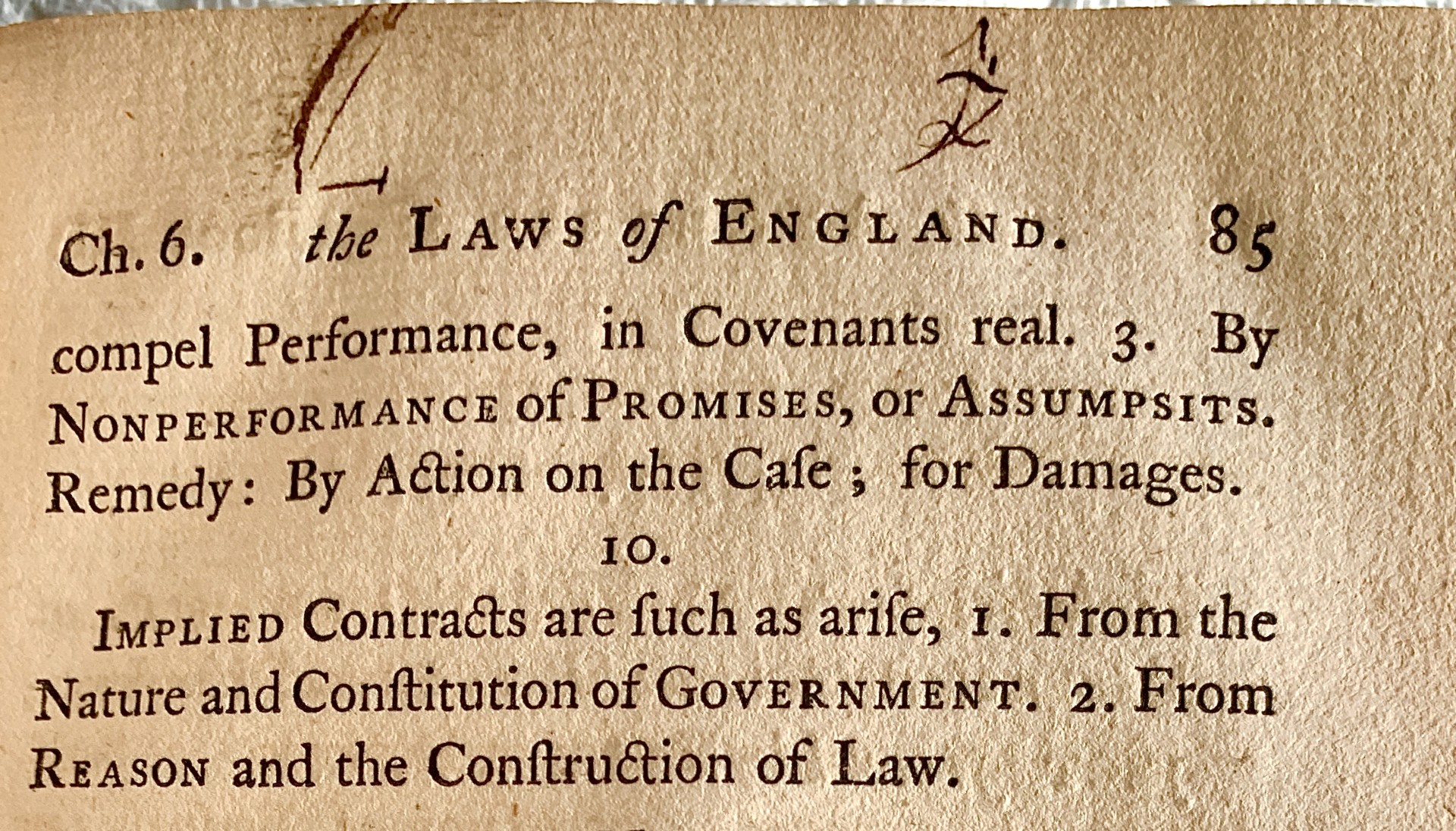
Armed with his Blackstone volume opened to the chapter on Breach of Contract, James Wilson and other nationalists at the Convention immediately went about the delicate task of setting aside the failed Articles of Confederation compact.
Under the weak Articles, the thirteen states had devolved into three competing regional factions - Northern, Mid-Atlantic, and Southern. The delegates agreed that a national legislative body was needed to secure economic stability and military preparedness. The delegates strongly disagreed, however, on the structure of the proposed new government body.
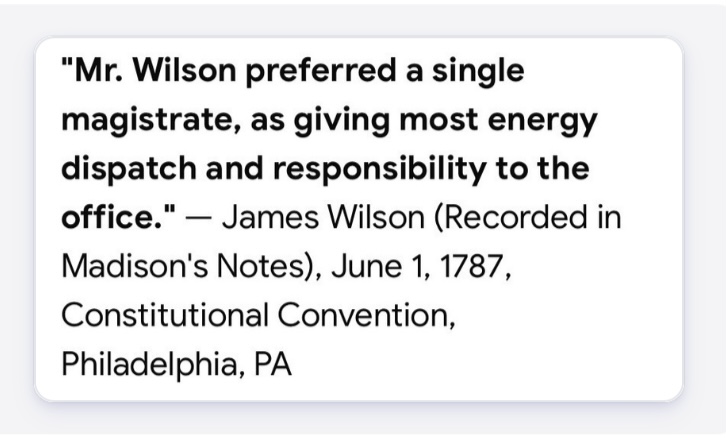
The Convention rejected Edmund Randolph’s proposal for a three-man executive council drawn from the three regional factions. With great hesitation, James Wilson’s proposal for a single executive for the whole nation would prevail.
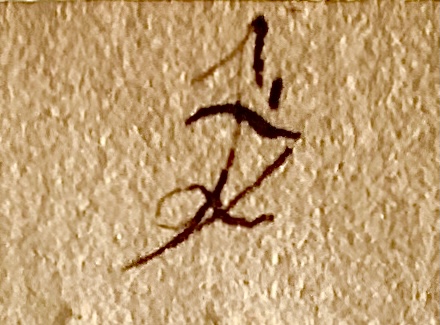
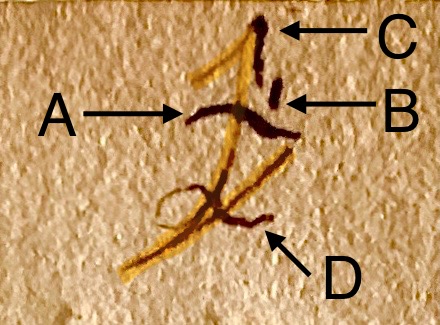
Wilson’s focal point diagram captures America’s momentous June 1, 1787 turning point from confederation to union. An examination of the ink flow and ink density shows that the yellow highlighted lines were drawn first. This was Wilson’s hasty depiction of the three-way scattered state of the country. A, B, C, and D are added pen strokes, mirroring specific elements of Wilson’s speeches in support of a single executive.
A = the intervening new national government
B = Wilson’s proposed "single magistrate"
C = Wilson’s "energy and dispatch", symbolized by the upward arrow
D = the leveling of the nation’s foundation